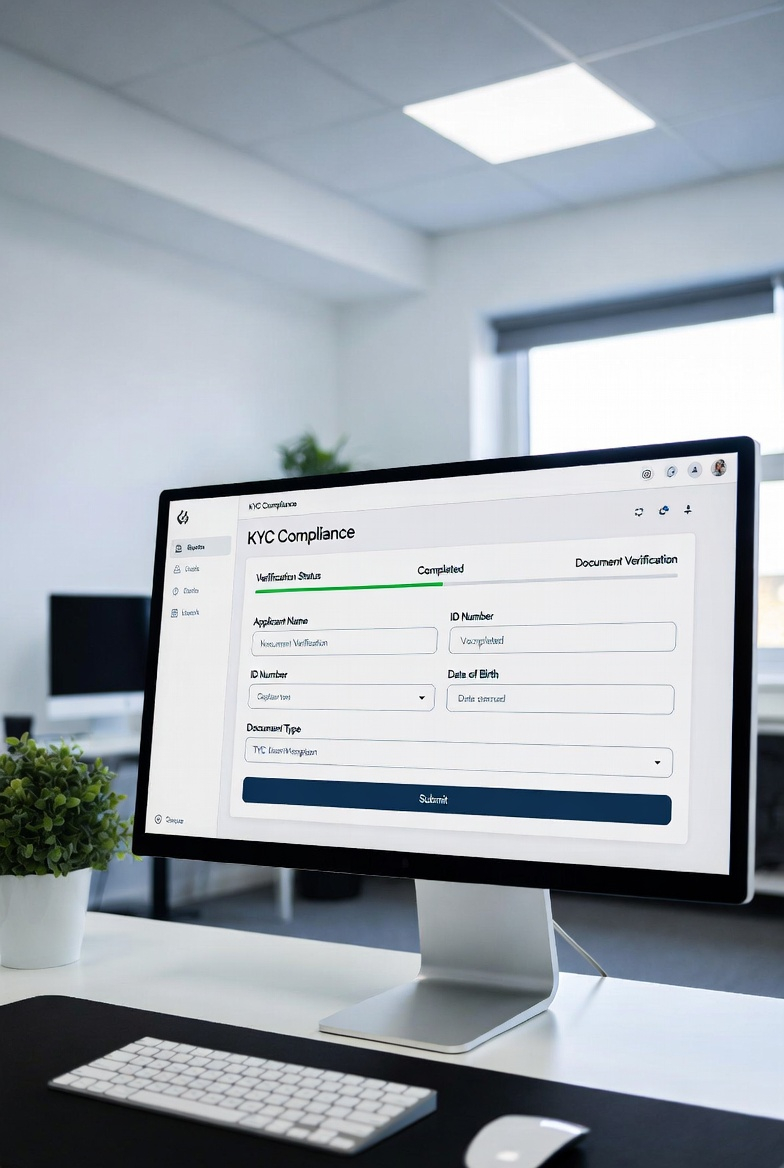
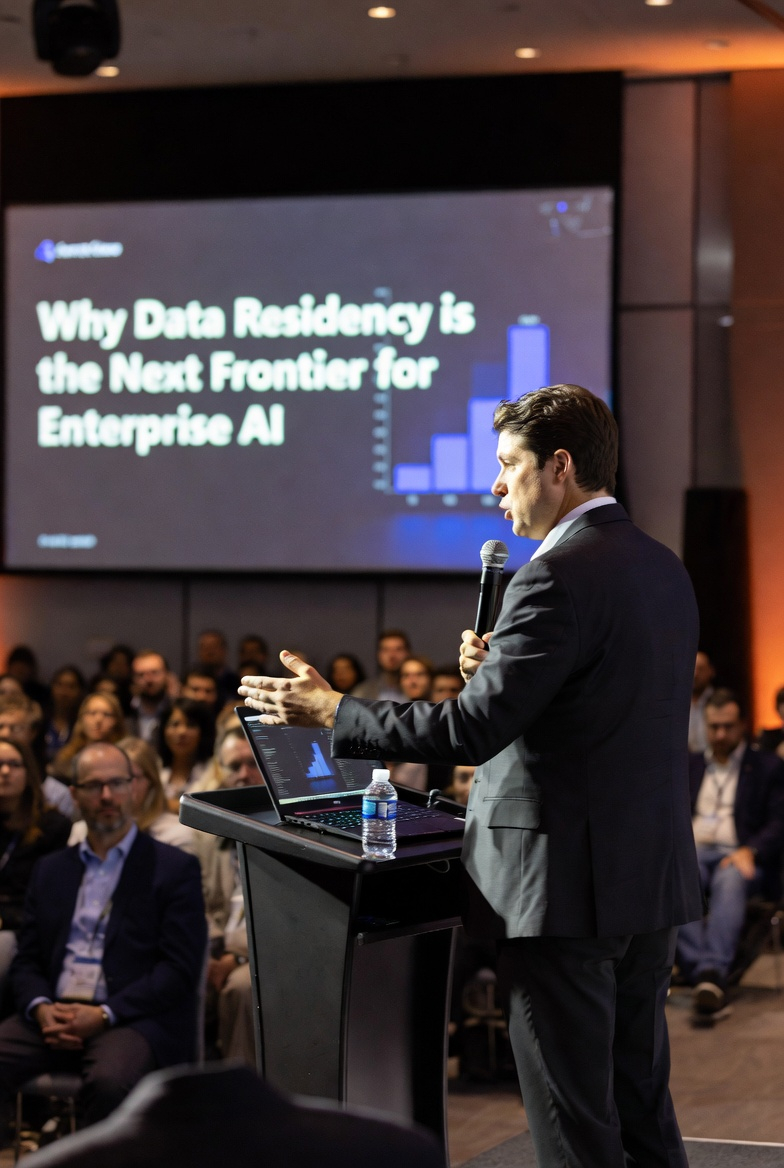
The insurance industry relies heavily on complex document analysis, risk assessment, and regulatory compliance. For global reinsurers, processing unstructured data from various sources into structured underwriting models has traditionally been a labor-intensive bottleneck.
The Challenge of Unstructured Data
Business Challenge Teams building multi-agent systems often struggle with reliability, debugging, and scaling once agents move from prototype to production.
How Agentic AI Helps A production-grade orchestration framework based on LangGraph provides built-in error handling, observability, and human-in-the-loop safeguards.
Detailed Automated Business Process Agents are orchestrated with conditional routing, retry logic, state persistence, and real-time monitoring dashboards. The system automatically logs every decision and escalates only when human input is required.
Potential Business Impact Production multi-agent systems achieve 99.9% uptime, debugging time is reduced by 70%, and teams can confidently scale agent crews across the enterprise.
Call to Action See the best practices for running multi-agent systems in production. Request a strategy workshop.
"Singularity IO didn't just give us an LLM; they provided a secure, sovereign orchestration layer that allowed our internal systems to talk to each other autonomously. It fundamentally changed our operational velocity."
Agentic Workflows in Action
By deploying a multi-agent system, the client was able to automate the entire ingestion pipeline. The workflow operates as follows:
- Intake Agent:Monitors secure inboxes and classifies incoming submission documents.
- Extraction Agent:Utilizes fine-tuned vision models to extract tabular data from complex policy schedules.
- Validation Agent:Cross-references extracted entities against internal databases and flags anomalies for human review.