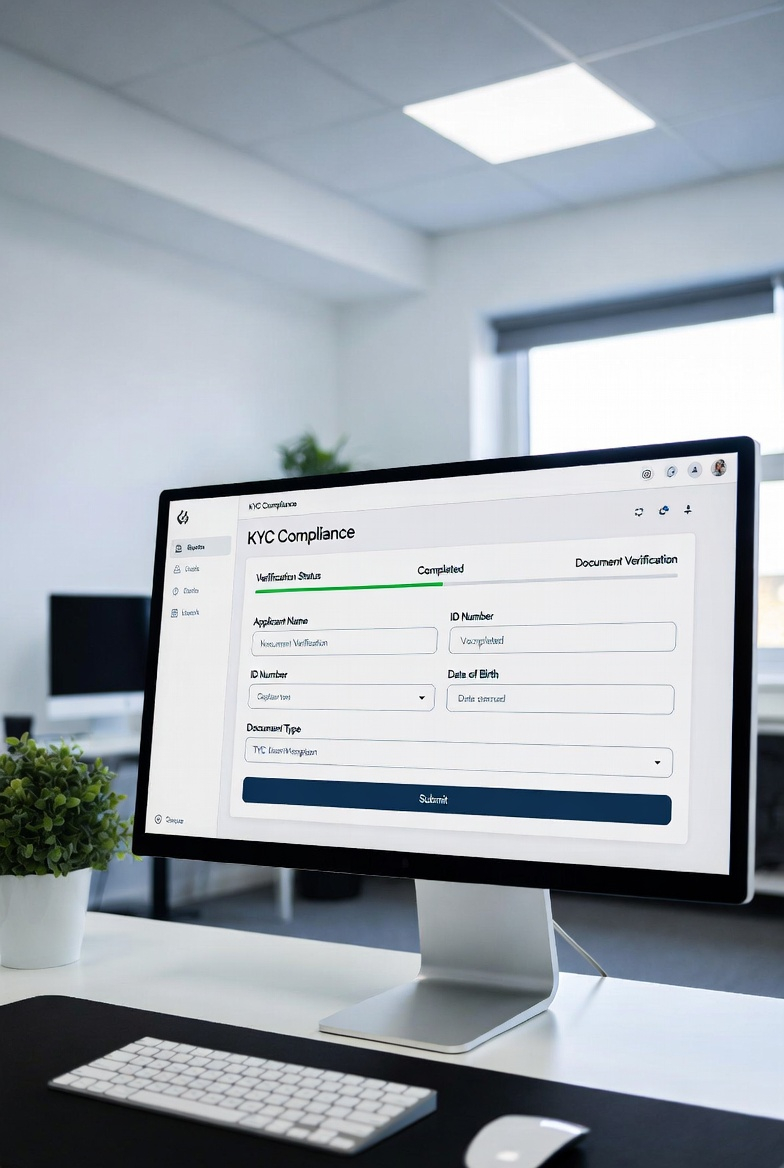
Responding to RFPs and tenders is highly time-consuming for professional services firms. This playbook shows how Agentic AI can automate large parts of the RFP response process while maintaining quality, consistency, and personalisation.
Business Challenge Many Organisations want to build internal AI capabilities but lack a proven, governed approach to creating and scaling a sovereign digital workforce.
UNLOCK FULL USE CASE + PDFExecutive Summary / Key Takeaways
- 50–70% reduction in RFP response preparation time
- Higher win rates through personalised, data-driven proposals
- Consistent quality and compliance across all submissions
- Knowledge reuse from previous projects and proposals
- Multi-agent collaboration between research, writing, and review agents
The Challenge
Tight deadlines, repetitive manual work, inconsistent quality, and senior staff pulled away from client work.
Our Approach / Framework
A multi-agent RFP crew for requirements extraction, knowledge retrieval, proposal structuring, compliance checking, and final review.
Technical Architecture
LangGraph orchestration, sovereign RAG knowledge base, company-specific models, and integration with CRM/document systems.
Implementation Guide
10-week implementation with knowledge base build, agent development, pilot on live RFPs, and full adoption.
Conclusion & Future Outlook
Agentic RFP automation turns a painful process into a strategic competitive advantage, allowing firms to respond to more opportunities with higher quality.
Key Takeaways
- 50–70% reduction in RFP response preparation time
- Higher win rates through personalised, data-driven proposals
- Consistent quality and compliance across all submissions
- Knowledge reuse from previous projects and proposals
- Multi-agent collaboration between research, writing, and review agents